
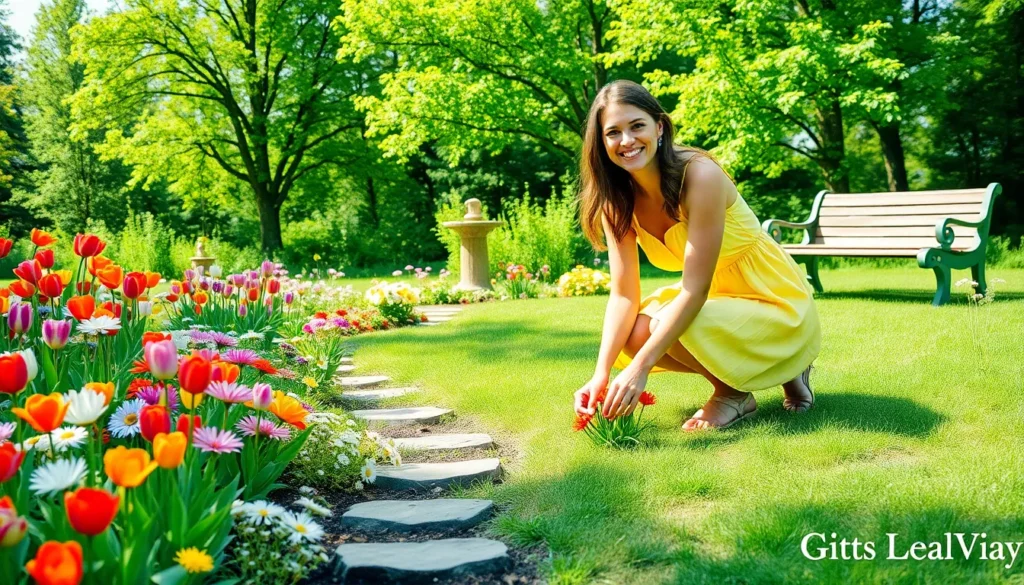

Imagine stepping into a garden that feels like a scene straight out of a fairy tale—vibrant colors, fragrant blooms, and perhaps a gnome or two keeping watch. Upgrading a garden doesn’t have to be a daunting task; it can be an exciting adventure that transforms an ordinary space into a personal paradise. Whether it’s sprucing up a few plants or going all out with landscaping, the possibilities are as endless as the weeds that seem to pop up overnight.
Understanding Your Garden Space
Understanding one’s garden space is essential before making enhancements. A well-thought-out analysis leads to better decisions.
Assessing Your Current Garden
Assess the existing features, including plants, structures, and pathways. Examine sun exposure and soil quality, as these factors influence plant growth. Note any areas that thrive or struggle. Identify which plants flourish and which do not meet your expectations. Gather information about drainage and climate conditions to ensure plant suitability. This comprehensive evaluation serves as a foundation for future upgrades.
Identifying Improvement Areas
Recognize areas lacking in color, texture, or structure. Identify spots that could benefit from new plant varieties or hardscape additions. Consider regions with limited accessibility, which may require new pathways or seating arrangements. Purposefully incorporate focal points like statues or raised beds for added visual interest. Recall that transforming these areas enhances the overall appeal and functionality of the garden space. Prioritize improvements based on personal preferences and garden goals.
Planning Your Upgrades

Upgrading a garden requires thoughtful planning. This process includes defining clear objectives and determining a realistic budget.
Setting Goals for Your Garden
Establishing specific goals streamlines the planning phase. Focusing on objectives like enhancing aesthetics, increasing biodiversity, or improving functionality guides decisions. Priorities may include selecting colors, textures, or themes that resonate with personal style. Identifying areas for transformation, such as dull spots or underutilized spaces, leads to impactful changes. Choosing plant varieties that thrive in your region enhances success rates. Additionally, involving family members in setting goals can foster a collective vision for the garden.
Budgeting for Improvements
Creating a budget helps manage expenses throughout the upgrading process. Evaluating potential costs, such as plants, materials, and tools, ensures realistic financial planning. Allocating funds to high-impact areas first maximizes value, making early investments in focal points worthwhile. Considering DIY options for certain projects can further reduce costs while personalizing the space. Researching local suppliers may yield competitive prices on plants and materials. Keeping an eye on seasonal sales and promotions can also aid in staying within budget while achieving desired upgrades.
Choosing the Right Plants
Selecting the right plants can significantly enhance a garden’s aesthetics and functionality. Assessing the environment enables one to choose plants that thrive in the specific conditions present.
Selecting Low-Maintenance Options
Opting for low-maintenance plants can save time and effort. Consider native plants, as they usually require less water and care. Perennials such as daylilies or sedums make excellent choices due to their resilience and adaptability. They’re effective in offering continuous beauty with minimal upkeep, allowing effortless enjoyment of the garden.
Incorporating Seasonal Blooms
Integrating seasonal blooms brings dynamic color to the landscape throughout the year. Select spring-blooming varieties like tulips and daffodils to welcome the warmer months, while fall-blooming asters can extend the visual appeal into autumn. Balancing different blooming periods ensures vibrant displays from season to season, creating a visually captivating and ever-changing garden experience.
Enhancing Garden Design
Upgrading garden design enhances overall aesthetics and functionality. Incorporating well-planned layouts creates an inviting atmosphere.
Using Layout and Structure
Maximizing space in a garden involves thoughtful layout planning. Different areas can serve specific purposes, like relaxing or entertaining. Modular garden beds create visually appealing designs while allowing for easy access. Contact local landscape architects for tailored designs that reflect personal style. Organizing plants in clusters adds depth and interest, breaking up monotonous views. Centralizing focal points, such as sculptures or water features, draws attention and creates harmony throughout the garden.
Adding Pathways and Borders
Creating clear pathways improves accessibility and invites exploration. Pathways can utilize materials like stepping stones, gravel, or bricks, which provide character. Borders define garden areas, suggesting boundaries while contributing decorative elements. Selecting plants for borders ensures a seamless transition between spaces. Edible plants or colorful flowers add flair and functionality. Decorative fencing or trellises can enhance vertical spaces, giving the garden a more polished appearance. Regular maintenance ensures pathways and borders remain inviting and visually appealing.
Implementing Sustainable Practices
Upgrading a garden can include implementing sustainable practices that enhance beauty while benefiting the environment. Focusing on these techniques fosters a healthier ecosystem and reduces maintenance requirements.
Water Conservation Techniques
Employing water conservation techniques markedly improves garden efficiency. Installing drip irrigation systems directs water to plant roots, minimizing waste and ensuring plants receive adequate moisture. Mulching around plants retains soil moisture, suppresses weeds, and reduces the need for frequent watering. Rain barrels can collect runoff, providing an eco-friendly water source for gardens during dry spells. These strategies not only conserve water but also enhance garden vitality over time, creating a lush, thriving landscape.
Organic Gardening Methods
Utilizing organic gardening methods promotes soil health and biodiversity in gardens. Choosing natural fertilizers, such as compost or well-rotted manure, enriches soil without chemical residues. Implementing integrated pest management encourages beneficial insects that control pests, reducing reliance on synthetic pesticides. Crop rotation and companion planting further bolster plant health by breaking pest cycles and enhancing nutrient availability. Through these organic practices, gardens flourish while supporting environmental sustainability.
Conclusion
Upgrading a garden can transform it into a stunning oasis that reflects personal style. By carefully assessing the space and prioritizing improvements based on individual goals, anyone can create a vibrant and inviting atmosphere. Thoughtful planning and budgeting ensure that enhancements are both achievable and rewarding.
Incorporating low-maintenance plants and sustainable practices not only boosts aesthetics but also supports a healthier environment. With a clear vision and a bit of creativity, anyone can elevate their garden into a true paradise, providing joy and tranquility for years to come. Embrace the journey of garden transformation and watch as it flourishes into a cherished retreat.