
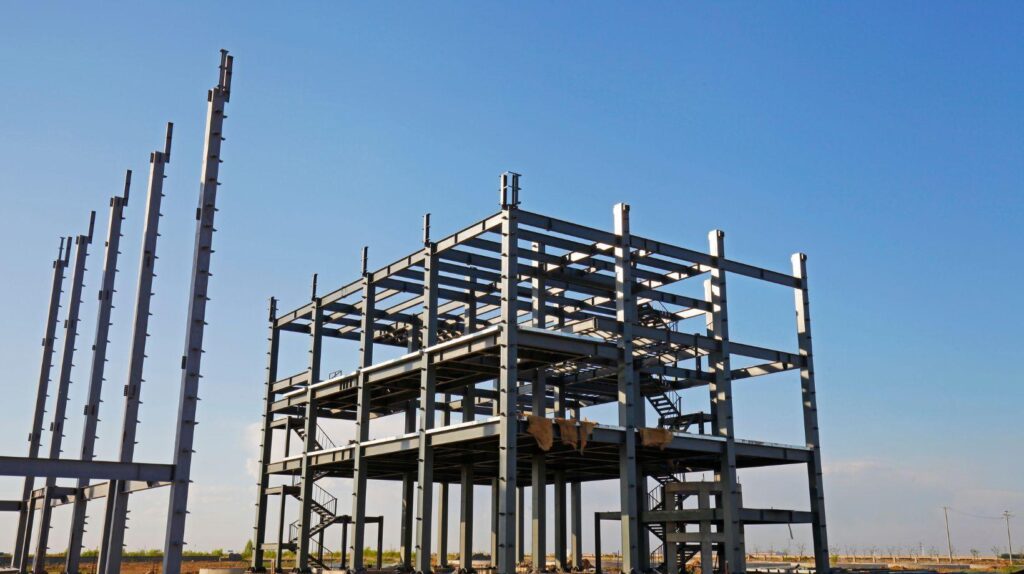

Steel buildings have become a common choice across commercial sectors for their efficiency, adaptability, and straightforward construction process. Their streamlined frameworks support multiple applications, from office complexes to storage facilities, making them ideal for varied business needs.
Prefab steel buildings serve as the starting point for tailored spaces that function well for daily operations. Commercial projects sometimes require modifications that suit specific uses, environmental needs, or accessibility expectations. Add-ons address these details, offering enhancements that support both form and utility.
Insulation Systems for Interior Efficiency
Insulation plays a central role in managing internal conditions across different seasons. Steel buildings react quickly to exterior temperature shifts, which makes insulation vital for comfort and energy balance. Properly insulated walls and roofs help stabilize indoor temperatures while supporting moisture control.
Options include spray foam, batt insulation, and rigid panels, each selected based on the use of the space. A well-insulated structure helps protect equipment and inventory from humidity and heat shifts. It also contributes to overall air quality by minimizing condensation risk inside enclosed areas.
Mezzanine Floors for Space Expansion
A mezzanine adds functional square footage without structural expansion. Commercial buildings sometimes include high ceilings, and a raised floor capitalizes on that vertical clearance. This addition provides room for storage, break areas, or administrative use while keeping the ground level clear.
Installing a mezzanine requires no major alteration to the core structure. Steel support frames offer solid weight-bearing capacity suited to commercial traffic and goods. Mezzanine floors are sometimes modular, which makes future reconfiguration or relocation more manageable as business needs change.
Air Movement Components for Environmental Control
Air circulation tools improve indoor conditions and support basic safety expectations. Prefab steel buildings without airflow additions may experience trapped heat, odours, or airborne dust particles. Add-ons like vents, turbine fans, and roof-mounted exhaust systems encourage steady air exchange.
Mechanical ventilation also limits moisture levels, reducing the chance of corrosion or dampness. Some commercial sites include filtered intake systems for cleaner indoor air. These systems support staff well-being and equipment protection in processing areas, showrooms, or busy warehouses.
Entry and Access Features for Daily Use
Commercial projects require access solutions for people, goods, and vehicles. Add-ons include a mix of entry doors, loading bays, and viewing windows that match the building’s daily function. Proper placement of these features helps reduce congestion and improve operational flow.
To support both function and security, designers sometimes include reinforced doors with controlled access options. Windows enhance indoor light levels and can be double-glazed for heat retention or noise reduction. These entry systems also give the building a more structured and refined layout.
Weather Protection Structures for Outdoor Use
Overhead cover is sometimes needed where movement occurs near the exterior. Protective additions help manage rain, snow, and wind at loading zones or walkways. Commercial steel buildings benefit from these features, especially in locations with frequent weather changes.
Popular options include:
- Overhangs at main entries
- Dock covers at shipping points
- Canopy shelters for staff gathering areas
- Equipment storage roof extensions
Trusted Experts Make All the Difference in Steel Building Projects
Working with a skilled team brings accuracy to every phase of a prefab steel building project. Experts understand how to align commercial goals with structural features like layout, ventilation, and access. Their guidance helps reduce design issues and prevents costly changes down the line.
Experts guide choices on airflow, insulation, access points, and future upgrades. This helps business owners stay within budget and meet specific space needs. For any company planning a new build, expert support brings reliable results without guesswork. It’s a direct way to get a steel building that works right from day one.