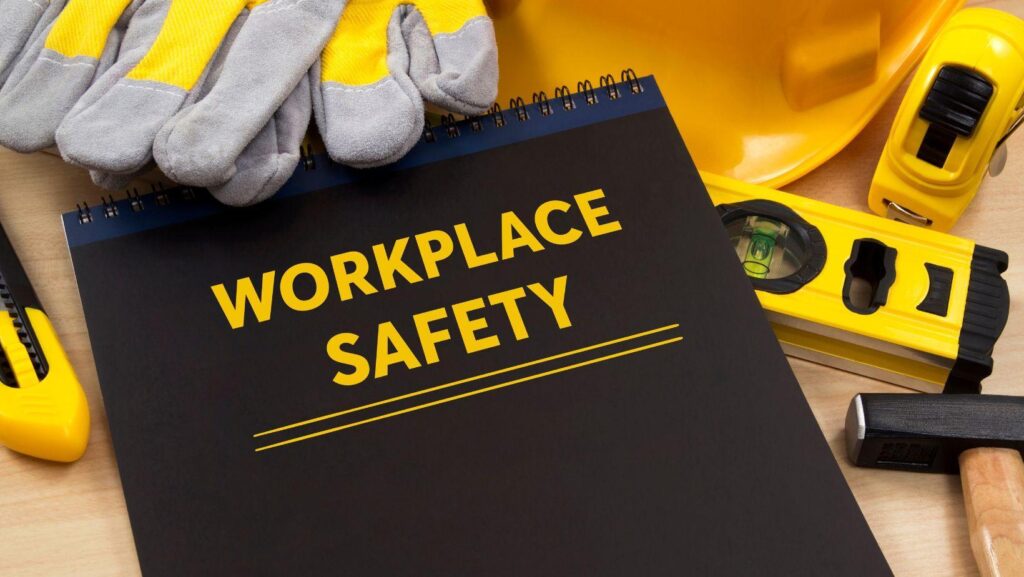

Workplace safety issues can be exacerbated by delayed responses, inappropriate response by personnel, and the need to research the correct procedure in an emergency. AI agents can assist by monitoring workplace safety measures, researching information, relaying information to the appropriate personnel, and assisting with the correct course of action.
This technology can improve the decision-making process while not replacing the critical role of safety officers. It will enable the most effective method of emergency response while ensuring that the correct procedures are followed.
Table of Contents
ToggleHow AI Agents Can Improve Workplace Safety Response
AI agents can reduce the time interval between receipt of a safety alert and an initial response, as well as improve team response by providing information on the right track without extra steps.
1. Detect Safety Alerts and Route Them to the Right Person
The ability to monitor incident reports, equipment, environmental sensors, access control systems, worker safety tools, and more, is important as safety alerts and reports can come from a variety of sources, and it is easy to overlook or dismiss them.
For instance, if a gas sensor in a factory detects dangerous levels of gas, an AI agent could detect this and know which area this is in and be able to determine who is responsible for this area and send it directly to them.
It could also send an alert to another worker in charge of safety if the initial person responding does not after a period of time, which would be more efficient than sending the report to a generic inbox.
2. Provide Relevant Info to The Team Responding to it
Having received a safety alert, the responders would now want to know how to respond. It is unproductive and potentially dangerous to require them to search through documents, manuals, and programs for details on how to deal with the report they have just received while an incident may be unfolding.
If an AI agent were assisting them, it could provide the location of the incident, type of danger, any equipment related to it, emergency contacts, the proper procedure to deal with it, and any previous incidents that might be similar.
For instance, when dealing with a chemical spill, the agent could recognize the chemical and pull up information on how to deal with it and show the responders the correct procedure, equipment, and contact lists depending on the chemical.
3. Help Safety Teams Follow the Correct Response Steps
AI agents can support safety teams by following rules your company has already approved. They can send a supervisor alert, restrict access to a site, contact emergency support, open an incident record, request medical help, or escalate the case if nobody responds.
Companies with several sites or complex internal systems may use AI agent development services to connect alerts, internal records, contact lists, and safety workflows in one process.
The important point is control. The agent should follow predefined rules and permissions. It should not make high-risk safety decisions on its own, especially when the situation requires human judgment or an emergency response team.
4. The Time Between Teams and Safety Systems Should be Minimized
There’s often too many places to store workplace safety data. It could be held in email, held in maintenance software, held in HR systems, etc., and older incident records may be somewhere else.
That’s a waste of time if someone is experiencing a problem. The information needs to be copied between systems, or the employee has to get the basic information right by talking to multiple people.
These systems can deliver the approved information to an AI agent, who can pass this information on to those who need it. This agent can also find an equipment failure notice and the maintenance record, site manager contact, and contact list for an appropriate party without the need for the person to do it manually.
5. Keep an Accurate Record of the Incident
A clearly-written record of what happened after the immediate risk is an essential part of a good safety response. AI agents can be used to create a timeline of the alert, by who and when it was acknowledged, who did what, and how long it took.
They can also be tagged onto follow-up tasks like a missing incident report or equipment check, medical review, or supervisor review.
This provides more information for the safety team to use in internal reviews and compliance checks. It can also help identify delays. If it normally takes 12 minutes to get your alert to the appropriate manager, but 3 minutes for similar alerts, there’s a particular issue you should fix right before the next incident.
Conclusion
Faster workplace safety response depends on how quickly the right people receive the right information. AI agents can help connect systems, send alerts, pull approved procedures, and track what happens next.
They can reduce delays, but they still need clear safety rules, reliable data, and defined human responsibility. The strongest setup uses AI to support trained teams, not replace their judgment during high-risk situations.
Frequently Asked Questions
What is an AI agent in workplace safety?
An AI agent is software that can monitor safety information, follow a set of rules, and take approved actions such as sending alerts, finding procedures, or opening incident records.
Can AI agents respond to workplace emergencies automatically?
They can automate alerts, escalation, and certain response protocols, but critical safety decisions should be reserved for humans.
What workplace safety systems can AI agents connect with?
They can connect with incident management systems, sensors, maintenance systems, access control systems, HR databases, and communication tools if they can be securely integrated.
Can AI agents replace workplace safety teams?
No. They can reduce lag and manual processes, but trained safety personnel is still required to make judgment calls, manage emergency responses, and ensure compliance.
How can businesses test AI agents for workplace safety?
They can start with a few low-risk use cases such as automated alert routing or incident logging and test them with a small team before rolling out more widely, measuring factors such as response time, false positives, error rates, and the percentage of cases that still require human follow-up.