
Kogniz contact tracing combines sensors and software to track close contacts in real time. The system logs proximity, duration, and location. It alerts safety teams when exposure risk rises. It helps organizations reduce outbreaks, limit downtime, and meet safety rules. This article explains how Kogniz contact tracing works, how it protects privacy, and how teams can deploy it effectively.
Key Takeaways
- Kogniz contact tracing leverages wearable and fixed sensors combined with cloud software to track exposure in real time, helping organizations quickly isolate contact chains and reduce outbreaks.
- The system enhances workplace safety by sending automated alerts and detailed reports based on proximity, duration, and location data aligned with site maps and shift schedules.
- Privacy is prioritized through encryption, role-based access, pseudonymization, and configurable data retention policies, ensuring compliance with data protection and workplace safety regulations.
- Industries like manufacturing, healthcare, education, and events benefit from faster exposure notifications, minimized operational disruptions, and improved regulatory reporting using Kogniz contact tracing.
- Effective deployment requires mapping risk zones, calibrating sensor sensitivity, staff training on privacy protocols, and integrating with HR and access control systems to streamline case management.
- Continuous monitoring of key performance indicators and regular reviews of retention and access policies help maintain the system’s accuracy and regulatory alignment.
What Kogniz Contact Tracing Is And Why It Matters
Kogniz contact tracing is a sensor-driven exposure tracking system. The company links wearable sensors, fixed sensors, and cloud software. The system records who met whom, where, and for how long. Organizations use the data to isolate exposure chains and reduce spread. Public health teams use the data to speed contact notification. Facility managers use the data to cut operational disruption. Business leaders use the data to meet health rules and to protect staff. In 2026, workplaces value fast, accurate tracing that ties to site maps and shift rosters. Kogniz contact tracing meets that need with automated alerts and reports.
How Kogniz Contact Tracing Works: Sensors, Software, And Alerts
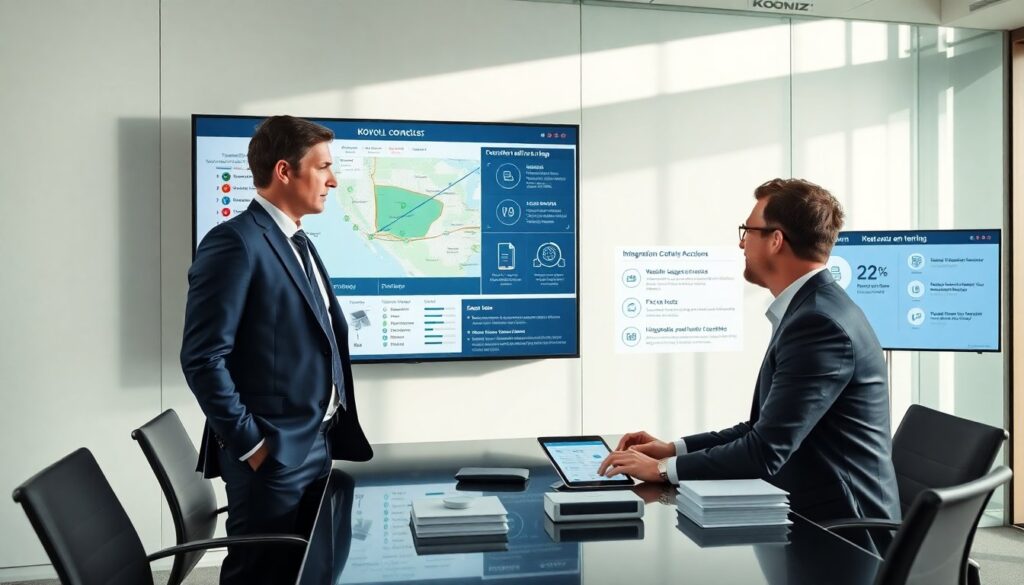
Kogniz contact tracing works in three stages. Stage one collects proximity and location with sensors. Stage two processes the data in cloud software. Stage three issues alerts and generates reports. The system timestamps each contact and measures distance and duration. Teams set exposure thresholds and notification rules. The software cross-references badges, schedules, and site maps. Safety staff get push alerts and email summaries when an exposure crosses thresholds. The system supports role-based access so only authorized staff can see sensitive contact lists. Kogniz contact tracing integrates with HR systems and access control to speed case handling and to reduce manual data work.
Privacy, Security, And Regulatory Compliance
Kogniz contact tracing applies strict privacy controls. The system encrypts data in transit and at rest. The software uses role-based access to limit who can view contact lists. The vendor supports data minimization and configurable retention policies. Organizations can pseudonymize identifiers for initial review and then de-anonymize only for confirmed cases. Kogniz documents compliance with data protection rules and workplace safety standards. The system logs all access for audits. IT teams can deploy on private clouds or on-premises to meet local rules. Legal teams still review policies, but the platform gives tools to meet common regulatory demands without heavy manual work.
Real-World Use Cases And Industry Examples
Manufacturing plants use Kogniz contact tracing to limit production stoppages. The system flags close contacts on assembly lines and helps managers quarantine affected shifts. Hospitals use Kogniz contact tracing to protect staff and patients: the system supports rapid notification and targeted testing. Schools and campuses use it to protect students and to avoid campus-wide closures. Event organizers use the system to monitor crowds and to trace post-event exposures. In each case, Kogniz contact tracing reduced investigation time and lowered secondary cases. Teams reported faster return-to-work decisions and clearer reporting for regulators and insurers.
Implementation Checklist: Planning, Deployment, And Measuring Success
Plan coverage by mapping zones and high-risk areas. Choose sensor mix: wearables, beacons, or apps. Set exposure thresholds for distance and duration that match local guidance. Test sensor placement and tune sensitivity to reduce noise. Train staff on privacy rules and on who receives alerts. Integrate the system with HR, access control, and incident response tools. Pilot the system for one or two shifts and measure false positives and notification time. Track KPIs: time to notify, percent of contacts identified, and days of work saved. Review retention and access logs monthly. Use lessons from the pilot to scale site-wide. Continuous review will keep the system effective and aligned with rules.